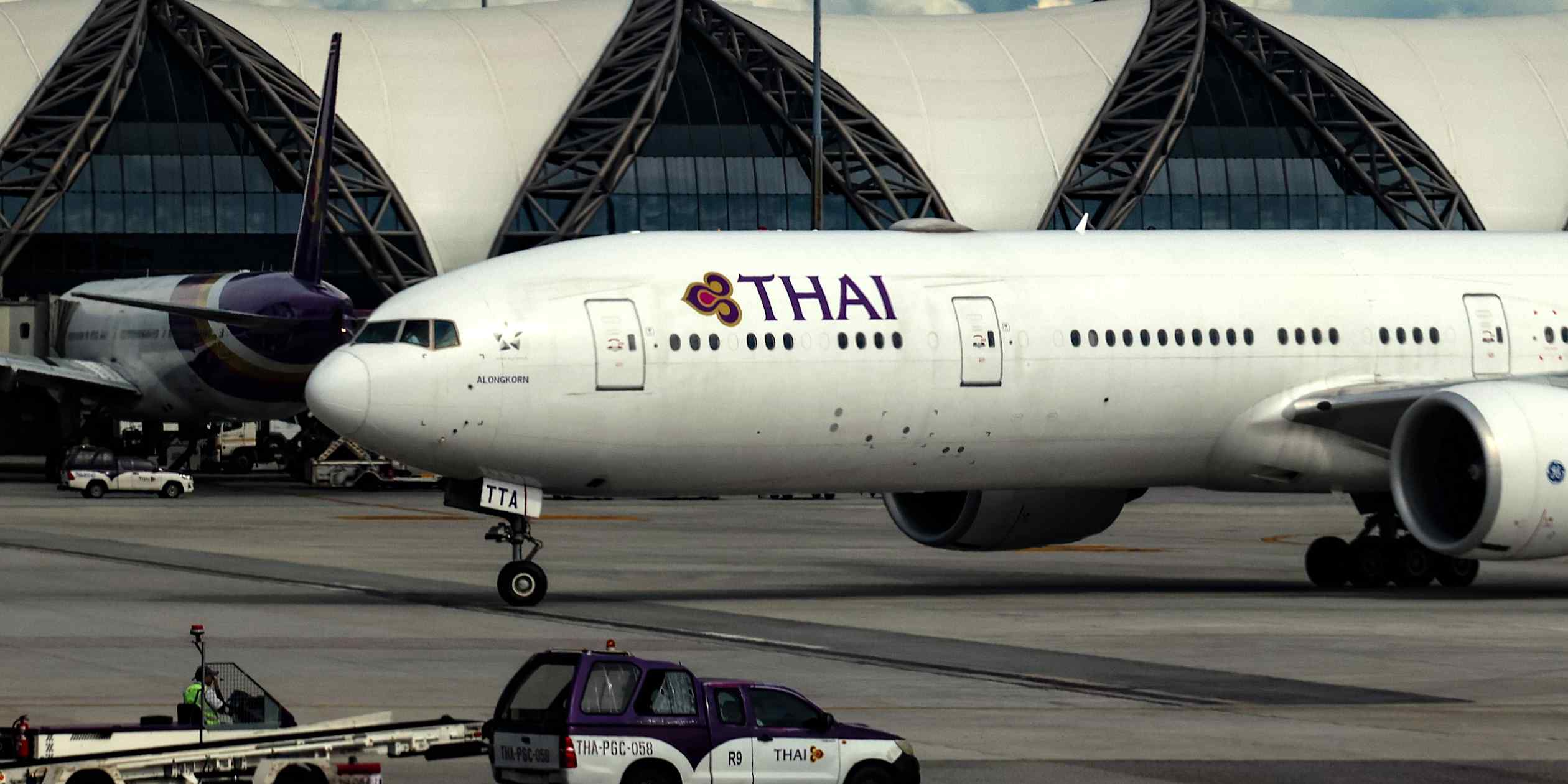
Thailand's national flag carrier, Thai Airways International (THAI), is poised for a significant surge in profitability, with ambitious projections targeting robust revenue growth in 2026. Following an extraordinary financial turnaround in 2025, the airline is strategically enhancing its global footprint, with a laser focus on two of the world's most dynamic and populous markets: India and China. This strategic pivot, coupled with an aggressive fleet expansion and a renewed commitment to sustainable practices, signals a vibrant future for THAI and underscores its determination to solidify its position as a premier airline in Asia and beyond. For industry observers and stakeholders keen on the thai airways umsatz 2026, the outlook is undeniably bright, promising sustained momentum after a period of remarkable recovery.
The Phoenix Rises: Thai Airways' Remarkable Turnaround Story
The journey of Thai Airways from the brink of financial collapse to a beacon of impressive profitability is a testament to resilient leadership and strategic restructuring. Having faced daunting challenges, including a significant net loss of 26.9 billion Baht in 2024, the airline engineered a stunning recovery. The year 2025 marked a pivotal turning point, with THAI reporting a remarkable net profit of 30.94 billion Baht. This dramatic reversal represents an improvement of over 57.8 billion Baht, equating to a staggering 215% surge in profitability within a single fiscal year.
Beyond the net profit, the airline's total revenue, excluding one-off items, reached an impressive 190.277 billion Baht in 2025. This figure not only surpassed the previous year's performance by a healthy 1.2% but also, crucially, exceeded the pre-COVID-19 pandemic levels recorded in 2019. Such an achievement speaks volumes about the effectiveness of its comprehensive restructuring efforts and the inherent resilience of its operational strategies. A critical milestone in this recovery was the successful conclusion of its court-supervised rehabilitation process on June 16, 2025. This paved the way for the eagerly anticipated re-listing of Thai Airways shares on the Stock Exchange of Thailand (SET) on August 4, 2025. The return to public trading, alongside the significant event of its first dividend payout to shareholders in 14 years, clearly signals renewed investor confidence and a robust financial foundation.
This resurgence is not merely a statistical anomaly; it is the culmination of a deliberate, comprehensive strategy focused on operational efficiency, market responsiveness, and long-term viability. The airline's "Silk Hub" strategy aims to leverage Thailand's strategic geographical advantage, transforming Bangkok into a premier aviation gateway that can effectively withstand global economic and geopolitical uncertainties. This intricate web of initiatives highlights THAI's commitment to not just recovering but thriving. For a more detailed exploration of this incredible journey of financial rejuvenation, we encourage you to read our related article: Thai Airways' Remarkable Turnaround: Fueling 2026 Expansion and Profit.
Charting the Course: 2026 Revenue Projections and Strategic Pillars
Building on its 2025 successes, Thai Airways is now setting its sights higher, projecting an additional 5% increase in revenue for 2026, targeting an impressive 200 billion Baht in total earnings. This ambitious forecast for the thai airways umsatz 2026 is underpinned by several key strategic pillars designed to maximize market opportunities and operational efficiency.
One of the primary drivers of this anticipated growth is the sustained increase in passenger numbers. In 2025, THAI welcomed 16.46 million passengers, a commendable 2% increase, coupled with an improved average cabin factor of 79.2%. These metrics demonstrate a strong return of travel demand and the airline's capability to fill its flights efficiently. For 2026, further optimization of routes and increased flight frequencies are expected to push these figures even higher.
A central component of this growth strategy is an aggressive fleet expansion and modernization program. By the end of 2026, Thai Airways plans to boost its operational fleet to approximately 100 aircraft, a significant jump from 80 at the close of 2025. This expansion includes the highly anticipated delivery of 14 new Airbus A321neo aircraft. The integration of these modern, fuel-efficient planes offers multiple benefits:
- Enhanced Capacity: More aircraft mean THAI can serve more routes and increase frequencies on existing high-demand routes.
- Operational Efficiency: The A321neo is known for its superior fuel efficiency, which will significantly reduce operating costs and contribute to the airline's sustainability goals.
- Network Flexibility: As single-aisle aircraft, the A321neos are ideal for shorter to medium-haul regional routes, allowing THAI to penetrate new markets or strengthen existing ones with greater agility.
- Improved Passenger Experience: Newer aircraft often come with modern cabin interiors, enhanced entertainment systems, and greater comfort, bolstering THAI's appeal to travelers.
These strategic investments in both fleet and network are pivotal to realizing the projected 200 billion Baht revenue target and ensuring THAI remains competitive in the dynamic global aviation landscape.
The India & China Connection: Unlocking Asia's Powerhouse Markets
While fleet expansion provides the infrastructure, the primary fuel for Thai Airways' projected 2026 revenue surge will undoubtedly come from its intensified focus on the Indian and Chinese markets. According to the company's president, increasing flights between Thailand and these two populous nations is expected to be a major catalyst for the anticipated 5% revenue rise. The strategic importance of India and China cannot be overstated:
India: A Market with Untapped Potential
India represents a rapidly expanding source of inbound tourism and business travel for Thailand. With a booming economy and a burgeoning middle class, Indian travelers are increasingly seeking international experiences. Key drivers for this market include:
- Leisure Travel: Thailand's beaches, culture, and vibrant cities are perennial favorites for Indian tourists.
- VFR (Visiting Friends and Relatives) Traffic: A growing Indian diaspora and business community in Thailand fuels significant VFR demand.
- Business & MICE: India's growing corporate sector sees Thailand as an attractive destination for conferences, exhibitions, and business engagements.
- Connectivity: Enhanced direct connectivity means more convenient and affordable options for travelers, boosting demand further.
THAI's strategy will likely involve increasing flight frequencies to major Indian cities like Mumbai, Delhi, Bengaluru, and Chennai, potentially exploring new tier-2 cities with strong outbound travel potential. This expanded network facilitates not only direct travel to Thailand but also onward connections through Bangkok's Suvarnabhumi Airport, leveraging the "Silk Hub" strategy to distribute Indian passengers across THAI's wider Asian and global network.
China: Rebounding Giant of Outbound Tourism
The Chinese market, a historical powerhouse for global tourism, is experiencing a robust post-pandemic rebound. As travel restrictions ease and consumer confidence returns, Chinese outbound tourism is set to reach unprecedented levels. For Thai Airways, this presents an enormous opportunity:
- Massive Scale: China represents the world's largest outbound tourism market by volume. Even a fraction of this market can significantly boost THAI's passenger numbers.
- Cultural Ties: Thailand has long been a favored destination for Chinese tourists due to its proximity, cultural attractions, and perceived value.
- Revenge Travel: A pent-up demand for international travel after years of restrictions is driving a surge in bookings.
THAI is well-positioned to capitalize on this by increasing flights to key Chinese cities like Shanghai, Beijing, Guangzhou, and Chengdu. Re-establishing and expanding routes will be crucial for capturing a significant share of this lucrative market, both for direct tourism to Thailand and for connecting Chinese travelers to other destinations via Bangkok.
For travelers from both India and China, the increased frequency and potential for new routes mean more choices, greater convenience, and potentially more competitive pricing, making Thailand even more accessible. For travel agencies and tour operators, this creates rich opportunities to develop more diverse and attractive packages.
Beyond Revenue: Sustainability and Future-Proofing
While financial growth is paramount, Thai Airways is also keenly focused on long-term sustainability and resilience against global uncertainties. The integration of new, fuel-efficient aircraft like the Airbus A321neo is a direct step towards reducing its carbon footprint and operating costs simultaneously. This aligns with a broader commitment to environmental, social, and governance (ESG) principles, which are increasingly important for both investors and environmentally conscious travelers.
THAI's "Silk Hub" strategy also plays a vital role in future-proofing the airline. By strengthening Bangkok as a central aviation hub, the airline diversifies its revenue streams and reduces dependency on single markets, making it more robust against regional economic fluctuations or geopolitical shifts. This holistic approach ensures that the pursuit of the thai airways umsatz 2026 target is not just about short-term gains but also about building a sustainable and resilient future for the national carrier.
In conclusion, Thai Airways is embarking on an exciting new chapter, fueled by a remarkable financial recovery and a clear strategic vision. With a projected 5% increase in revenue for 2026, driven significantly by expanded operations into the thriving markets of India and China, alongside a modernizing fleet and a strong commitment to sustainability, THAI is well-positioned for sustained growth. As Thailand's gateway to the world, the airline's success not only benefits its shareholders but also underscores the kingdom's enduring appeal as a global travel and business destination, solidifying its place as a leading player in Asian aviation.